June 24, 2026 · 12 min read
The LinkedIn-first CMO: 7 traits of modern B2B marketing leaders
LinkedIn-First CMO sounds like a niche specialization. In a few years, it will simply be called a CMO. Here is what that role looks like.
Garret Caudle, Founder, Influent
Short answer
A LinkedIn-first CMO treats the platform as the primary channel for demand and reputation: owning a point of view, publishing through executives rather than the brand account, and funding amplification as media rather than social.
Key takeaways
- Fund the LinkedIn flywheel as a system, not as isolated tactics.
- High LinkedIn CPMs reflect audience quality, so judge them on pipeline, not on cost per click.
- Organic reach is not free. Budget for amplification to target accounts.
- Build a bench of executive voices so the program does not depend on one person's calendar.
- Treat LinkedIn as infrastructure the rest of go-to-market depends on, not a channel defending a line item.
"LinkedIn-First CMO" sounds like a niche specialization. Like a CMO who just-so-happens to focus on LinkedIn the way that others might specialize in ABM or demand gen or events.
That is not what this article is about. No siree, Bob.
"Investment in any one layer of the LinkedIn flywheel accelerates every other layer. Fund the system, not the tactics."
The LinkedIn-First CMO is not a LinkedIn specialist. In the very near future, they will simply be called a CMO.
My position: LinkedIn has spent two decades accumulating the attention of the entire professional class of the western world, verified, credentialed, and incentivized to keep their information current. What that creates is a marketing substrate with no obvious alternative.
As data quality becomes more premium, as thought leadership becomes more personal because of AI, as traditional media gatekeepers continue to fade away, as traditional search is replaced with AI queries, and as in-person events make way for virtual experiences, every meaningful marketing tactic will pass through LinkedIn whether marketers have planned for it or not.
In the next five years, most B2B marketing will look like this:
- GEO/AEO to LinkedIn
- Content marketing to LinkedIn
- Public relations to LinkedIn
- Paid media to LinkedIn
- Outbound to LinkedIn
- Virtual events to LinkedIn
- Influencer marketing to LinkedIn
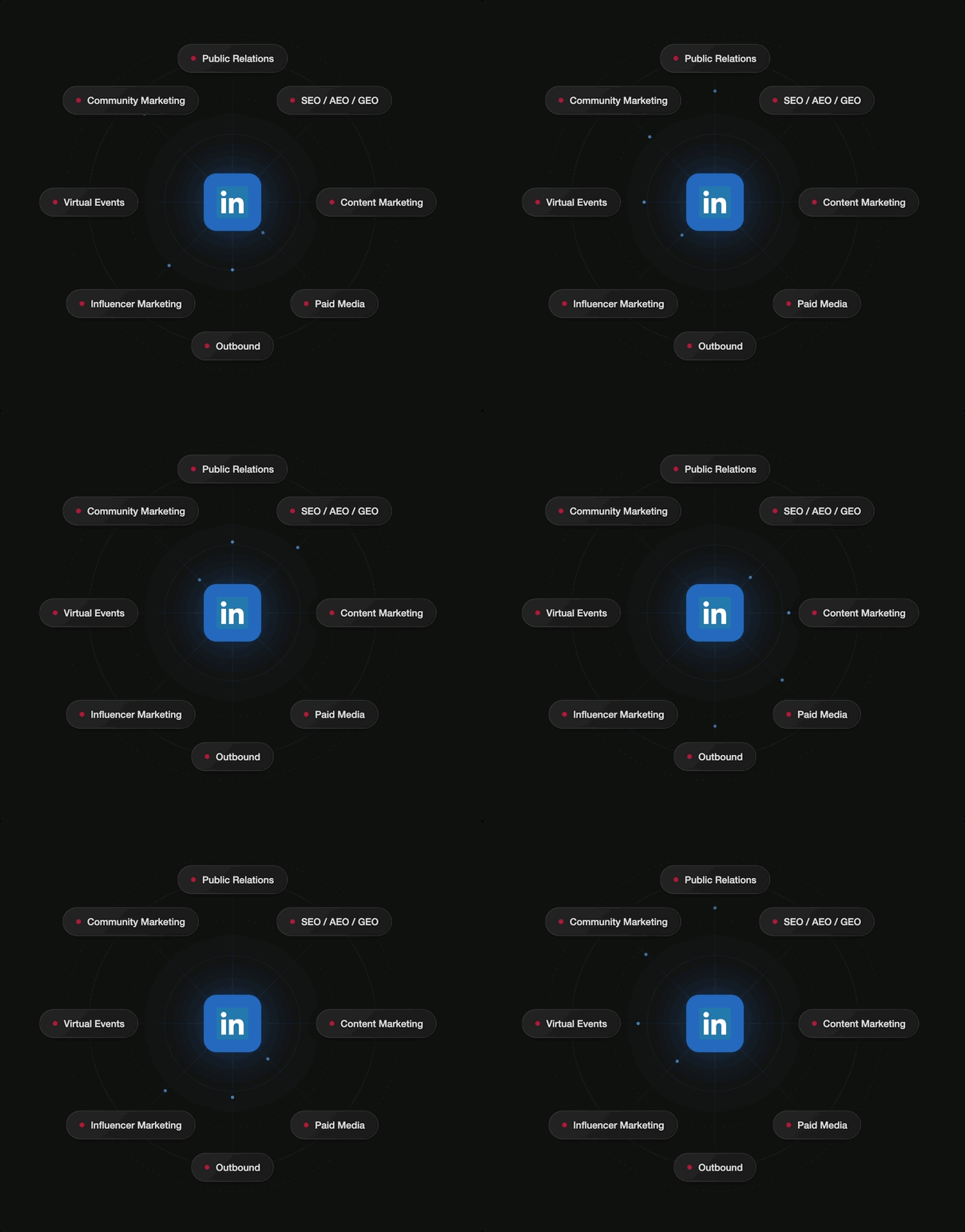
Therefore, any CMO who builds their strategy without LinkedIn at the center is ignoring the only path forward that exists for B2B marketing. What follows is a description of the CMO who understands this, and what it practically requires of them.
The mechanics behind that centrality are worth understanding first: LinkedIn's algorithm is network-based, not interest-based.
1. They understand the LinkedIn flywheel, and they feed it deliberately.
Because all of these tactics converge on the same platform, they are subject to compounding. Executive content builds audience. That audience makes paid distribution more efficient. Paid distribution amplifies the content to reporters and analysts. Reporter engagement builds earned media. Earned media reinforces the executive's credibility on the platform. That credibility makes community growth easier. Community drives influencer relationships. Influencer relationships generate new content. And so on.
The CMO who takes this to heart does not fund each tactic in isolation and measure them separately. That would be short-sighted. Instead, they recognize that investment in any one layer accelerates every other layer, and they make resourcing decisions with that compounding logic in mind.
I've seen the alternative over and over again: the CMO who does not understand the above consistently underinvests in LinkedIn because no individual tactic looks like a sufficient standalone return. Don't be that CMO.
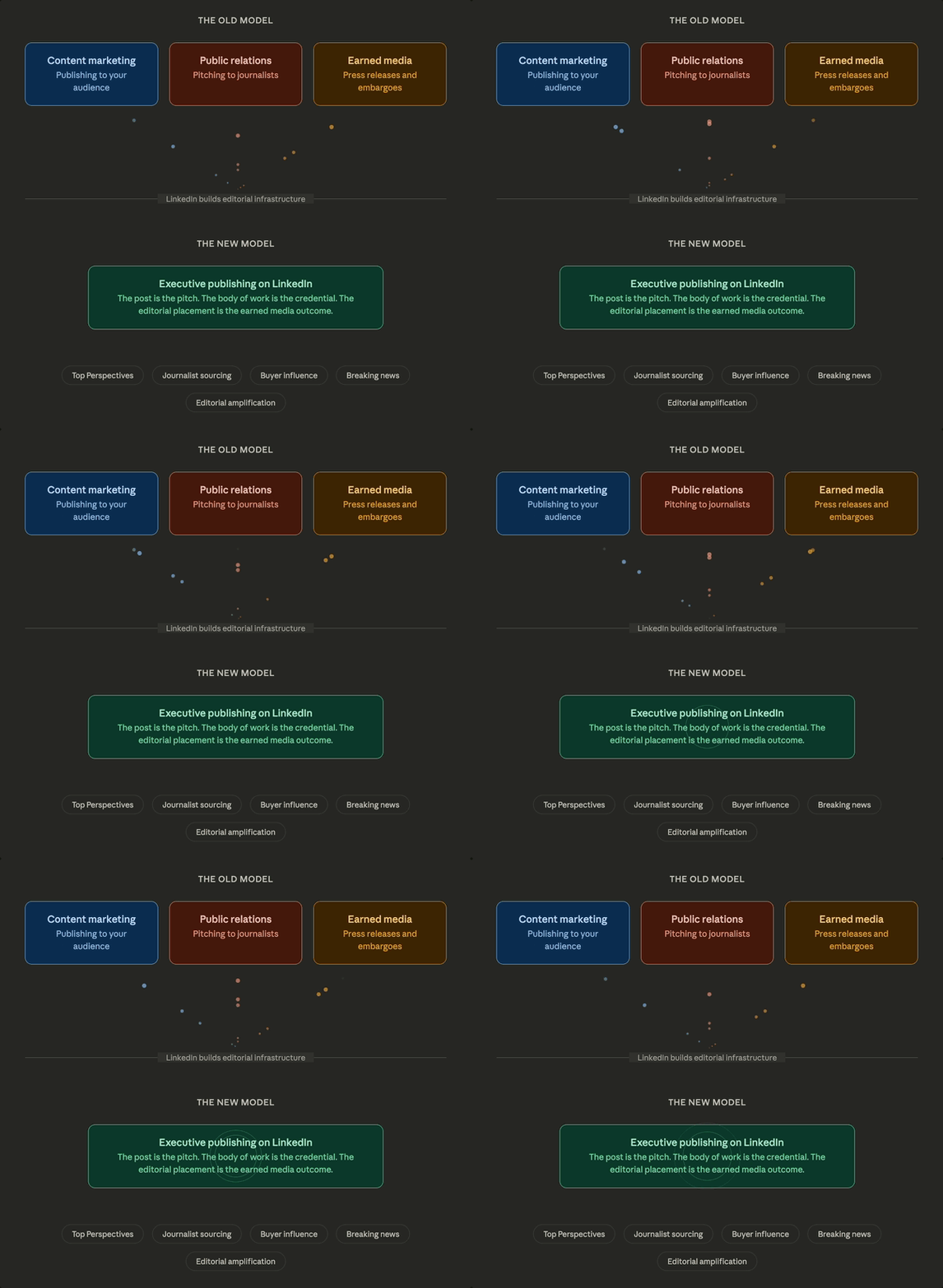
2. They treat content marketing and PR as a single function.
On LinkedIn, content marketing and PR are the same practice executed toward different goals by people who need to be in constant alignment.
The comms-side playbook for that merger lives in The LinkedIn-First comms leader.
Journalists who cover your industry are on LinkedIn. They follow executives in your space, they form opinions based on what those executives post, and they reach out for comment based on what they have already read. The Nasdaq President announced 24-hour trading with no press release and no advance briefing outside of LinkedIn's editorial team. Nearly 60 outlets covered it, and Bloomberg, Fast Company, and Reuters all cited the LinkedIn post as the primary source.
When the content your executives publish for marketing purposes is the same material that reporters encounter before writing about your industry, the teams responsible for those posts and the teams responsible for media relationships cannot operate in separate lanes. PR becomes more of a content practice than a pitching practice, and most marketing orgs are not close to ready for that shift.
3. They have a high tolerance for CPMs and they have abandoned the obsession with organic.
LinkedIn CPMs are high because the audience quality is high. Slow down and read that again.
The CMO who is perpetually hunting for cheaper distribution is making a tradeoff that will inevitably bite them. Yet most CMOs continue to be allergic to spending real money on LinkedIn paid because of the relatively high CPMs, and instead double down on organic because it is "free."
Great organic content is not free. It requires significant time from skilled people, is subject to algorithm changes outside of your control, and depends heavily on factors you cannot manufacture, including how interesting and credible your executives are to a given audience. The total cost of a quality organic program, when you account for the people it requires, is often higher than a targeted paid program that delivers comparable results with more precision and less variance.
The more important point is that paid and organic are not in competition. The LinkedIn-First CMO uses paid to push organic content to exact audiences, including the reporters covering their industry, the analysts evaluating their category, and the target accounts their sales team is working. Thought Leader Ads exist specifically for this.
4. They become significantly better at managing executive personalities.
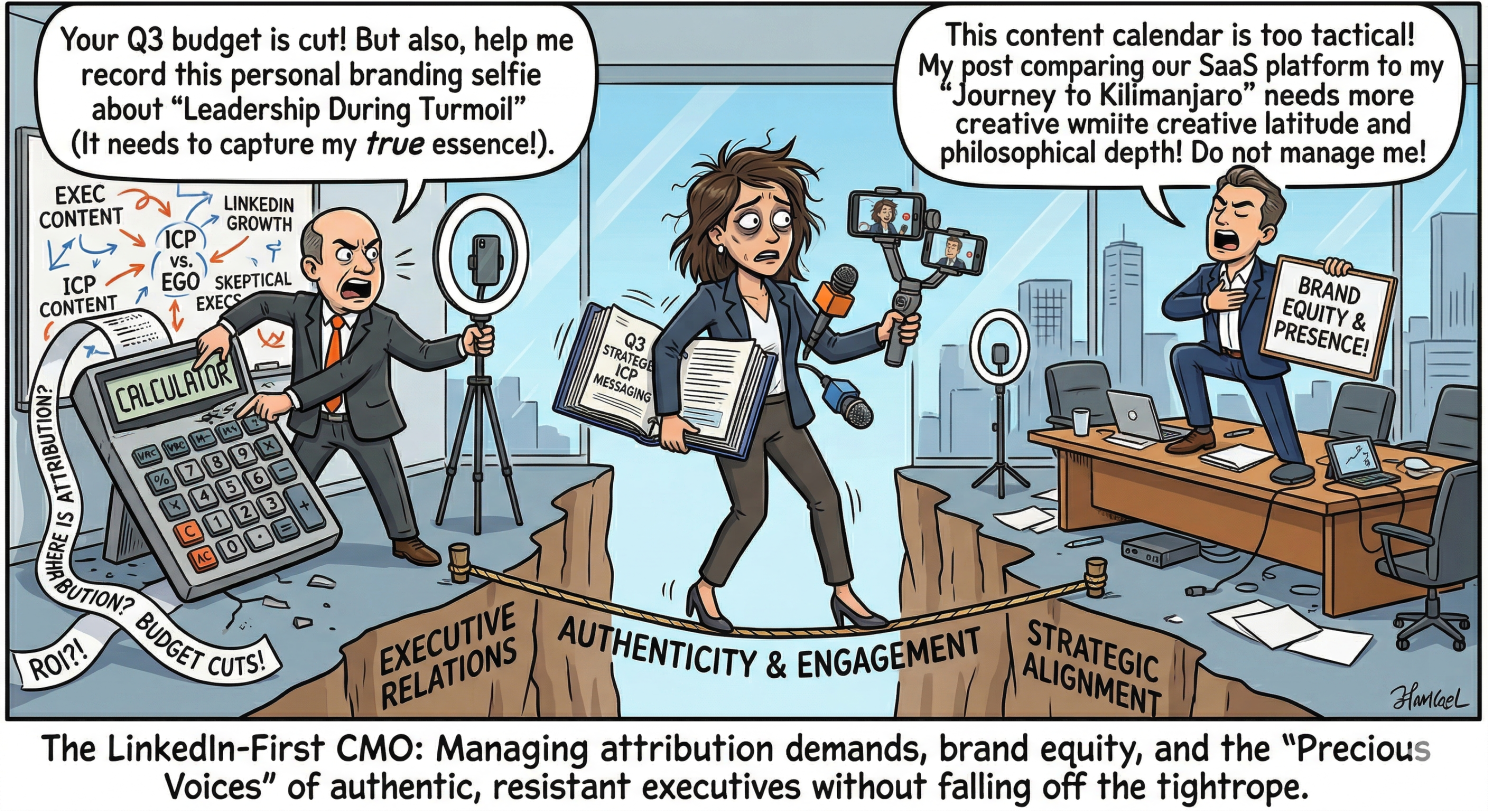
CMOs already sit between CFOs demanding attribution and CEOs demanding brand equity. The LinkedIn-First CMO inherits an additional layer of complexity. They are now dependent on those same executives to be the source of content, the face of content, and a consistent presence on the platform.
Get this wrong in public and it looks like the McDonald's CEO backlash.
Personal brands are not like other marketing assets. Most executives are very precious about their voice, skeptical about marketing, and frequently resistant to the strategic direction that would actually serve the company's interests. The same VP who challenges the CMO's budget allocation in Q3 planning is also the person whose LinkedIn content needs to reinforce the ICP messaging the CMO is building the entire program around.
The LinkedIn-First CMO has to manage this without eroding the relationship. They have to keep executives focused on content that moves buyers without making them feel managed, and be the steward of a thought leadership program while giving individuals enough creative latitude to show up authentically. It is one of the harder people-management challenges in the modern CMO role.
5. They build a close working relationship with RevOps.
LinkedIn generates signals. The problem is that LinkedIn also makes those signals difficult to aggregate and harder to push into a CRM in a form a sales team can actually use. The intent data space has been attempting to solve this for years, and the challenge does not get easier when most of your marketing activity lives inside a closed ecosystem that actively restricts scraping and data portability.
The LinkedIn-First CMO who does not have a close operational relationship with their sales and RevOps leaders will generate influence they cannot prove and signals they cannot action. The inverse is also true. When a CMO can identify which target accounts have been engaging with executive content, surface those contacts at the right moment, and pass them to a salesperson who is already warm-reaching them inside the same platform, the ROI case becomes clear and the sales cycle compresses.
6. They operate at the speed of the news cycle.
LinkedIn is social media, which means it moves with the news cycle. After running a LinkedIn agency for five years, I can tell you without a doubt that the best content opportunities open and close quickly. A relevant POV posted within hours of a relevant development can reach millions of people. The same post, three days later, performs like any other.
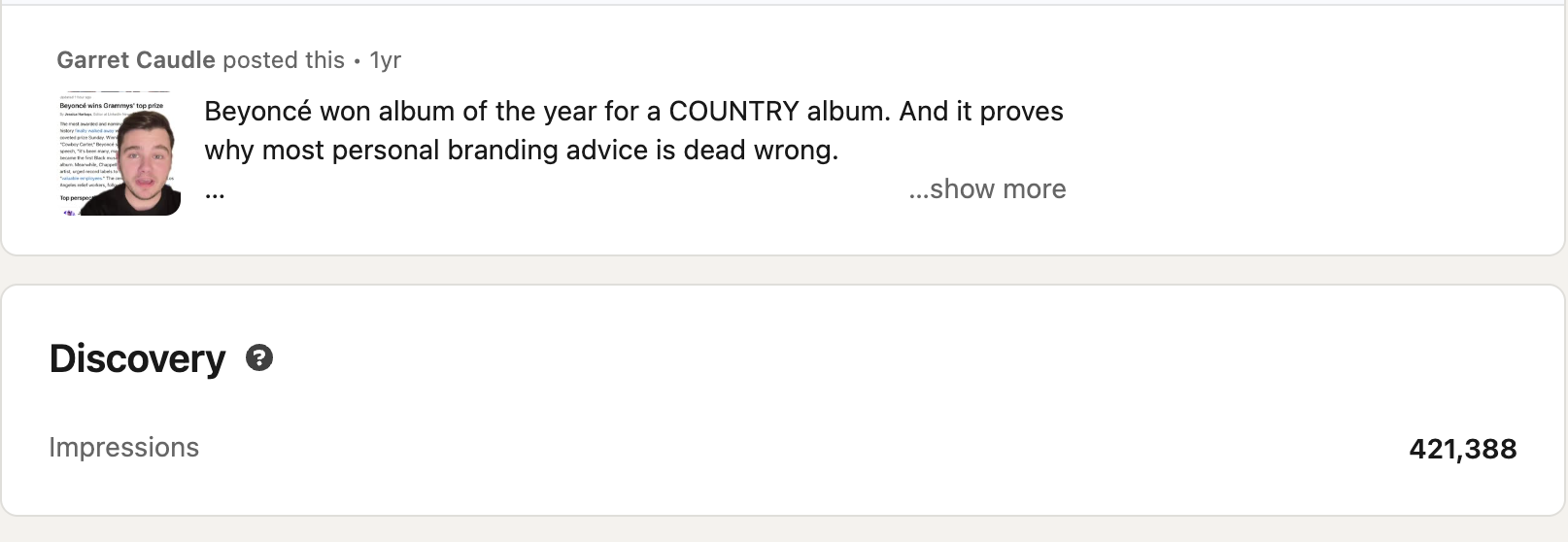
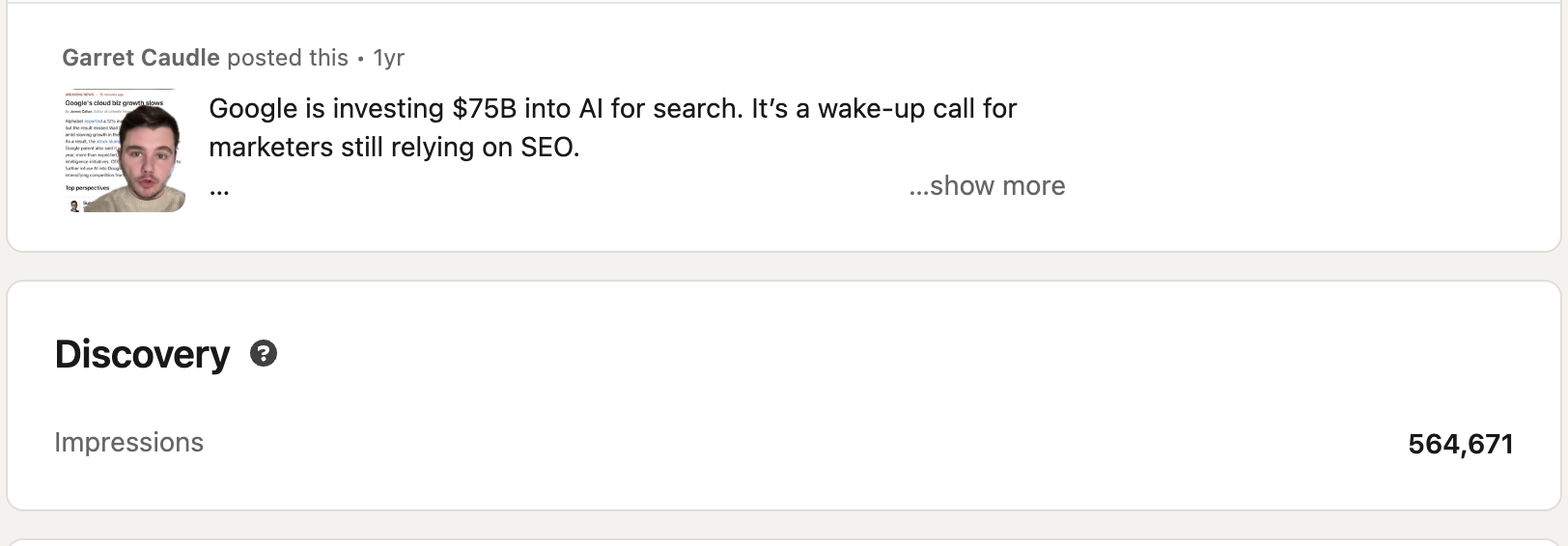
Most marketing organizations, especially at very big companies, were not built to move that fast. Content goes through multiple review rounds. Legal has a standing request to review anything external. The exec who needs to sign off is in back-to-back meetings. By the time the post goes live, the moment is gone.
The LinkedIn-First CMO builds their team for speed: clear approval structures, a defined set of topics where executives can publish without review, and an organization that treats timeliness as a competitive advantage rather than a risk.
7. They treat LinkedIn as infrastructure, not a channel.
Channels get a line item, a quarterly review, and a chance to justify themselves. Infrastructure gets funded because everything else depends on it. The LinkedIn-First CMO has made that reclassification internally, and they defend it in front of the board with the compounding logic of the flywheel rather than the last-touch math of a single campaign.
That is the whole shift. Not a specialization. Just what the job is becoming.
Questions
Frequently asked questions
- What is a LinkedIn-First CMO?
- A CMO who puts LinkedIn at the center of the go-to-market plan and funds content, PR, paid, community, and influencer work as one compounding flywheel rather than as separate line items.
- Are LinkedIn CPMs too expensive for B2B?
- LinkedIn CPMs are high because the audience is verified and precisely targetable. Measured against pipeline from target accounts rather than cost per click, they are usually the most efficient B2B media buy.
A weekly newsletter is coming
Garret’s original thinking on attention, credibility and distribution. Email signup is being updated.
About the newsletterWork with us
Ready to dominate LinkedIn?
Influent builds and runs executive LinkedIn programs for category-leading B2B companies.